Source Food Clip for Food Storage, Promotion, and Home Use
Compare 30 food clip options from Chinese manufacturers offering stainless steel, bamboo, and custom designs. Buyers can evaluate certifications like FDA and LFGB, packaging types, and customization support for promotion and home applications.
Key considerations
Products List


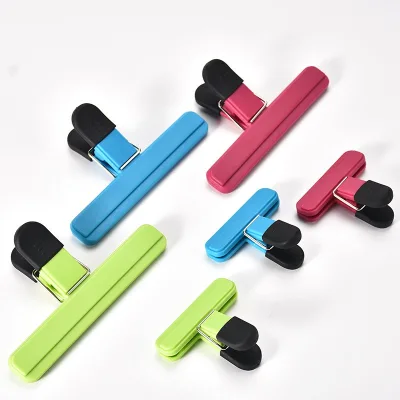
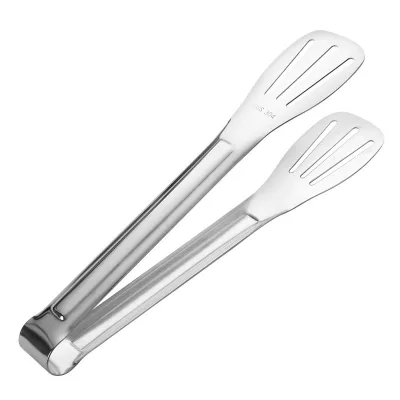
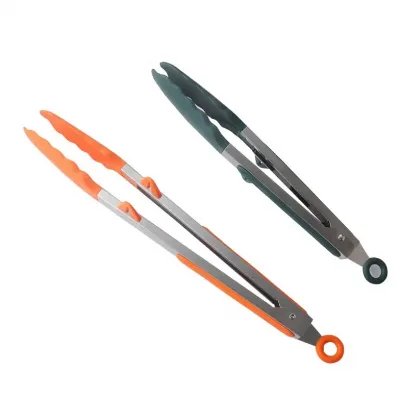


Comprehensive Sourcing Guide
Strategic Sourcing Guide for Food Clips
Understanding Product Categories and Technical Specifications
The market for food clips encompasses a diverse range of products designed for specific utility, from promotional giveaways to heavy-duty industrial fastening. When sourcing food clips, buyers must first distinguish between the primary material compositions and structural designs observed in the supply chain. The available inventory indicates a strong presence of stainless steel variants, which are frequently selected for their durability and resistance to corrosion in food handling environments. These metal components often undergo surface treatments such as electroplating, zinc plating, chrome plating, nickel plating, or painting to enhance aesthetic appeal and protective qualities.
Technical specifications vary significantly based on the intended application. For instance, certain models are engineered with precise dimensional tolerances, such as 0.01mm, which is critical for applications requiring high precision in metal stamping parts. In contrast, other product lines, such as bamboo bread clips, focus on natural material properties and specific length ranges, typically observed between 90mm and 160mm. The physical dimensions of metal clips can also differ widely; observed standards include compact profiles like 13.86.34.5cm or slender designs measuring 161.51cm. Weight specifications are another key differentiator, with some units recorded at 26.1g while others are significantly lighter at 11.2g.
The manufacturing process plays a pivotal role in defining the final product attributes. Many metal food clips are produced using cold stamping techniques, involving forming processes, sheet fabrication, and fine blanking. The tooling used often consists of simple single-process dies, though more complex requirements may necessitate advanced shaping metal processes. Buyers should verify whether the supplier supports ODM (Original Design Manufacturing) and OEM (Original Equipment Manufacturing) services, as this capability allows for customization of the clip's shape, size, and branding. The availability of customization is a standard feature in this sector, allowing clients to tailor products for specific promotional or functional needs.
Compliance, Certification, and Material Safety Standards
Ensuring that food clips meet international safety and quality standards is a non-negotiable aspect of B2B procurement, particularly when the end-use involves direct contact with food or consumer goods. The supply chain presents a variety of certifications that suppliers may claim, serving as indicators of their quality management systems and material safety. Common certifications observed in this sector include CE, ISO 9001:2008, RoHS, FDA, and LFGB. The presence of FDA and LFGB certifications is particularly significant for food-grade applications, as these standards verify that the materials used do not leach harmful substances into food products.
Material composition is intrinsically linked to compliance. Stainless steel is a prevalent material choice, often cited as a primary capability for suppliers. However, the grade of the steel is equally important; "A Grade" materials are frequently specified to ensure a baseline of quality and durability. Buyers must verify that the specific grade of stainless steel, copper, or aluminum used aligns with the intended application's regulatory requirements. For example, clips intended for electronic components or automotive applications may have different material purity requirements compared to those used for home food storage.
The manufacturing location also influences the regulatory landscape. Many suppliers originate from manufacturing hubs in China, such as Dongguan City in Guangdong Province or Anhui Province. While these regions are known for robust manufacturing capabilities, buyers must ensure that the specific factory adheres to the claimed certifications. It is essential to request valid certification documents rather than relying solely on product descriptions. The presence of a "15 Years Experience on This Market" attribute suggests a mature supplier base, but this experience must be validated through current, verifiable compliance documentation.
Cost Drivers and Pricing Dynamics
The pricing structure for food clips is influenced by a complex interplay of factors, including material costs, manufacturing complexity, order volume, and customization requirements. The observed price range in the market spans from $0 to $1.95 USD, indicating a highly competitive landscape with products available at various price points. This wide range suggests that cost is not solely determined by the unit itself but by the aggregate value of the order and the specific attributes requested.
Material selection is a primary cost driver. Stainless steel clips generally command a higher price point than those made from alternative materials due to the raw material cost and the energy-intensive nature of the stamping and plating processes. Surface treatments such as electroplating or painting add further layers of cost, as they require additional processing steps and quality control measures. The complexity of the mold also impacts pricing; while simple single-process dies are common, custom molds for unique shapes or sizes require significant upfront investment, which is often amortized over larger order quantities.
Order volume is another critical determinant of unit cost. The Minimum Order Quantity (MOQ) varies widely, with observed ranges spanning from 1 unit to 10,000 units. Some suppliers offer a low MOQ of 10 cartons, while others may have higher thresholds. Buyers should note that smaller orders often carry a higher per-unit cost due to the fixed costs of setup and production line preparation. Conversely, larger orders benefit from economies of scale, reducing the cost per unit significantly. The packing method also influences the final price; options range from individual OPP bags to bulk carton packaging containing 5,000 pieces, with the latter being more cost-effective for large-scale distribution.
Typical Applications and Usage Scenarios
Food clips serve a multitude of functions across different industries, ranging from household use to industrial applications. The primary usage categories observed include promotion, home organization, and food storage. Promotional clips are often customized with branding and distributed as marketing tools, leveraging the customization options available in the market. These clips are frequently designed with specific colors, such as silver, gold, black, or natural finishes, to align with corporate branding guidelines.
In the home sector, food clips are utilized for sealing bags, organizing kitchen supplies, and labeling food items. The "Food Clip" designation often implies a specific design optimized for gripping and sealing plastic bags or containers. For industrial applications, the focus shifts to durability and precision. Metal stamping parts used in the automotive and electronic components industries require clips that can withstand harsh environments and maintain structural integrity under stress. The "BBQ Meat Blade Clips" and "Flower Knot & Handle Skewer" examples highlight the versatility of the product category, extending beyond simple bag sealing to include specialized culinary and decorative uses.
The application also dictates the required material and finish. Clips used in food preparation or storage must be food-safe, necessitating the use of certified materials like stainless steel with FDA or LFGB compliance. In contrast, clips used for promotional purposes may prioritize aesthetic appeal and color customization over extreme durability. Understanding the specific end-use scenario is crucial for selecting the right product variant, as a clip designed for heavy-duty industrial use may be over-engineered and costly for a simple promotional giveaway, while a lightweight promotional clip may fail in a high-stress industrial environment.
Supplier Evaluation and Manufacturing Capabilities
Evaluating a potential supplier requires a deep dive into their manufacturing capabilities, technical expertise, and operational flexibility. A robust supplier should demonstrate proficiency in key processes such as forming, stamping, and sheet fabrication. The ability to support both OEM and ODM services is a strong indicator of a supplier's adaptability and willingness to collaborate on product development. Suppliers with a stated "15 Years Experience on This Market" often possess the technical know-how to handle complex design challenges and provide valuable engineering input.
The manufacturing location and logistics infrastructure are also critical factors. Suppliers based in major manufacturing hubs like Dongguan City or Anhui Province typically have access to a well-developed supply chain and logistics network, which can facilitate faster production and shipping. However, buyers must verify the specific factory's capacity to handle their order volume and lead time requirements. The observed delivery time of 12-25 working days provides a benchmark, but actual lead times can vary based on order complexity, material availability, and current production schedules.
Quality control systems are another essential criterion. Suppliers should have established processes for inspecting raw materials, monitoring production lines, and conducting final quality checks. The mention of "Tolerances: 0.01mm" suggests a high level of precision in their manufacturing processes, but buyers should request evidence of their quality control protocols, such as statistical process control (SPC) data or third-party inspection reports. Additionally, the availability of free samples allows buyers to physically assess the product quality, finish, and functionality before committing to a larger order.
Quality Control Protocols and Long-Term Procurement Strategies
Implementing a rigorous quality control protocol is essential for mitigating risks associated with sourcing food clips. Buyers should establish clear acceptance criteria based on the product specifications, including dimensions, material grade, surface finish, and certification status. Regular inspections, both during production and prior to shipment, help ensure that the delivered products meet the agreed-upon standards. Third-party inspection services can provide an objective assessment of product quality, particularly for large orders or when dealing with new suppliers.
Long-term procurement strategies should focus on building strong relationships with reliable suppliers who can consistently deliver high-quality products. This involves not only negotiating favorable pricing and terms but also fostering open communication regarding product improvements and market trends. Buyers should consider the supplier's ability to scale production up or down based on fluctuating demand, as well as their responsiveness to customization requests. The availability of flexible payment terms, such as T/T (Telegraphic Transfer), can also facilitate smoother transactions and better cash flow management.
Sustainability and ethical sourcing are increasingly important considerations in modern procurement. Buyers should inquire about the supplier's environmental policies, waste management practices, and labor standards. Ensuring that the supply chain adheres to ethical guidelines can enhance the brand reputation of the buyer and align with corporate social responsibility goals. Finally, maintaining a diversified supplier base can reduce dependency on a single source and provide greater resilience against supply chain disruptions. By carefully evaluating suppliers based on technical capabilities, compliance, and strategic fit, buyers can secure a reliable supply of high-quality food clips that meet their specific business needs.
FAQs
What certifications are available for food clips?
Food clips can come with CE, FDA, LFGB, ISO 9001:2008, and RoHS certifications. These standards verify material safety and quality management systems, ensuring the products are suitable for food contact and international markets.
Which materials are used to manufacture food clips?
Stainless steel is the primary material used, often graded as A Grade for durability. Suppliers also list capabilities for copper and aluminum, with surface treatments like electroplating or painting to enhance protection and aesthetics.
Can I get custom food clips for promotional use?
Yes, customization is available for promotional food clips with options for specific colors and branding. Suppliers support ODM and OEM services, allowing clients to tailor the shape, size, and finish to meet their marketing needs.
What is the typical lead time for food clip orders?
The standard delivery time for food clip orders ranges from 12 to 25 working days. This timeline may vary based on order complexity, material availability, and the specific manufacturing processes required for the requested design.
How does the minimum order quantity affect pricing?
Minimum order quantities vary widely, ranging from 1 unit up to 10,000 units depending on the supplier. Smaller orders often carry higher per-unit costs due to setup fees, while larger volumes benefit from economies of scale.
Where are food clip manufacturers located?
Most food clip manufacturers originate from China, specifically in regions like Dongguan City, Guangdong Province, and Anhui Province. These hubs offer robust manufacturing capabilities and established logistics networks for international shipping.